Repair · Cylinders
Repair or Replace a Hydraulic Cylinder? How the Bench Decides
Drift, leaks, bent rods, scored barrels — what each cylinder symptom means, what repairs actually cost relative to replacement, and the honest decision framework.
Published January 12, 2026 · Last updated July 6, 2026 · By the A1 Hydraulic Power Solutions team
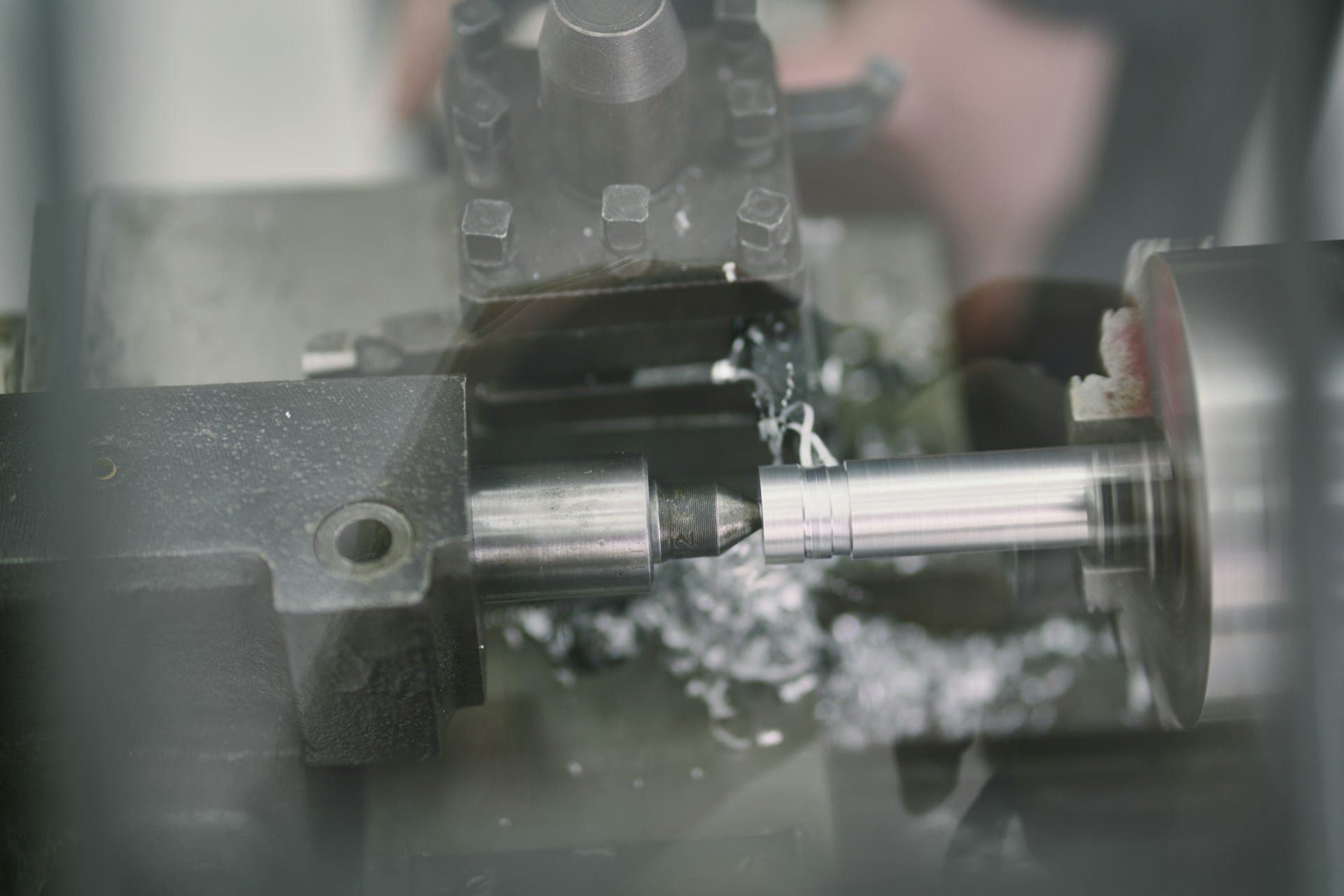
A hydraulic cylinder is one of the few machine components where "rebuild it" is usually the economically correct answer — and occasionally exactly the wrong one. After fifty years of teardowns, the decision comes down to three questions: what failed, what's the barrel and rod condition, and what does a replacement actually cost? Here's how our bench works through it.
Read the symptom first
The cylinder drifts under load. Oil is getting past something. Usually bypassing piston seals (a reseal fixes it), sometimes a leaking load-holding valve (a valve fixes it), and occasionally an internally scored barrel letting oil around the piston (now we're machining). A drift diagnosis takes about an hour of teardown — the drift FAQ on our cylinder page covers the quick self-checks.
External leak at the rod. Rod seal and wiper — the most common, cheapest repair there is if the rod surface is good. A pitted or scored rod will destroy new seals in weeks, so honest shops check the rod before selling you the seal job.
The rod is bent. Side-loading or an over-extension event. A straightened hydraulic rod rarely stays true under load, so our standard practice is to manufacture or source a new rod rather than straighten the old one — it lasts, where a straightened rod fails again. This is where repair economics start needing real numbers.
Deep barrel scoring. Contamination or a failed piston bearing dragged metal through the bore. Light scoring hones out; deep gouges need re-boring and an oversize piston, or they retire the barrel.
What repairs really involve
A quality cylinder rebuild is not "new O-rings and hope":
- Full teardown and measurement — bore, rod straightness, gland and piston clearances, all documented before quoting. You get the findings, not just a number.
- Seals — complete kit, correct materials for the fluid and temperature. Our seal suppliers deliver nearly any kit next morning, which is why most rebuilds run days, not weeks.
- Machining as required — honing, rod polishing, and new-rod manufacture; heavy work (big bores, long rods) runs through our heavy-machining partners, so even oversized cylinders stay repairable locally.
- Reassembly and pressure test — stroked and held at pressure before it leaves. A rebuild without a test is a guess with a receipt.
The decision framework
| Situation | The honest call |
|---|---|
| Seals worn, rod and barrel sound | Rebuild. Costs a fraction of replacement — this is the textbook case. |
| Rod damaged, barrel good | Usually rebuild with a new rod. A new replacement rod plus a reseal pencils out on most mid-size and larger cylinders. |
| Barrel deeply scored | Get both numbers. Boring + oversize piston vs replacement price; the answer flips with cylinder size. |
| Small, common, catalog-stock cylinder | Often replace. A $300 imported ag cylinder rarely justifies $250 of labor — we'll say so. |
| Obsolete, metric, or custom cylinder | Rebuild, almost always. When the replacement is a 12-week import or doesn't exist, the repair is the supply chain. |
| Same cylinder failing repeatedly | Diagnose the system. Contamination, side-loading, or over-pressure is killing it — pump and system checks beat a third rebuild. |
The pattern behind the table: the barrel and rod are the cylinder. Everything else — seals, glands, pistons, bushings — is replaceable at reasonable cost. Judge the castings and the chrome, and the decision mostly makes itself.
The repeat-failure warning
One more counter rule: a cylinder that comes back twice isn't a cylinder problem. Contaminated oil eats new seals exactly as happily as old ones; a bent mounting eats rods; an over-pressure relief eats everything. Before the second rebuild, we'll want to talk about oil cleanliness, filtration, and what the gauges say — the failure-analysis mindset applies to cylinders the same as hoses.
Getting a straight answer
Bring the cylinder in (or start the repair intake online with photos of the nameplate and the damage). You'll get: teardown findings with pictures, a fixed rebuild quote, and the replacement price alongside it — so the comparison is yours to make with real numbers. Half a century of these decisions has produced exactly one guarantee: the honest number wins customers longer than the convenient one.
Put it to work.
Reading about it is half the job. For the other half, the counter is at 2201 Handley Ederville Road, Fort Worth — or start online.
 Lou Einstein