Threads · Import equipment
Metric and BSP Fittings on US Equipment: A Survival Guide
Why imported machines strand US fleets, how to identify DIN, BSP, JIS and Komatsu-pattern connections, and the adapter strategy that keeps mixed fleets running.
Published February 23, 2026 · Last updated July 6, 2026 · By the A1 Hydraulic Power Solutions team
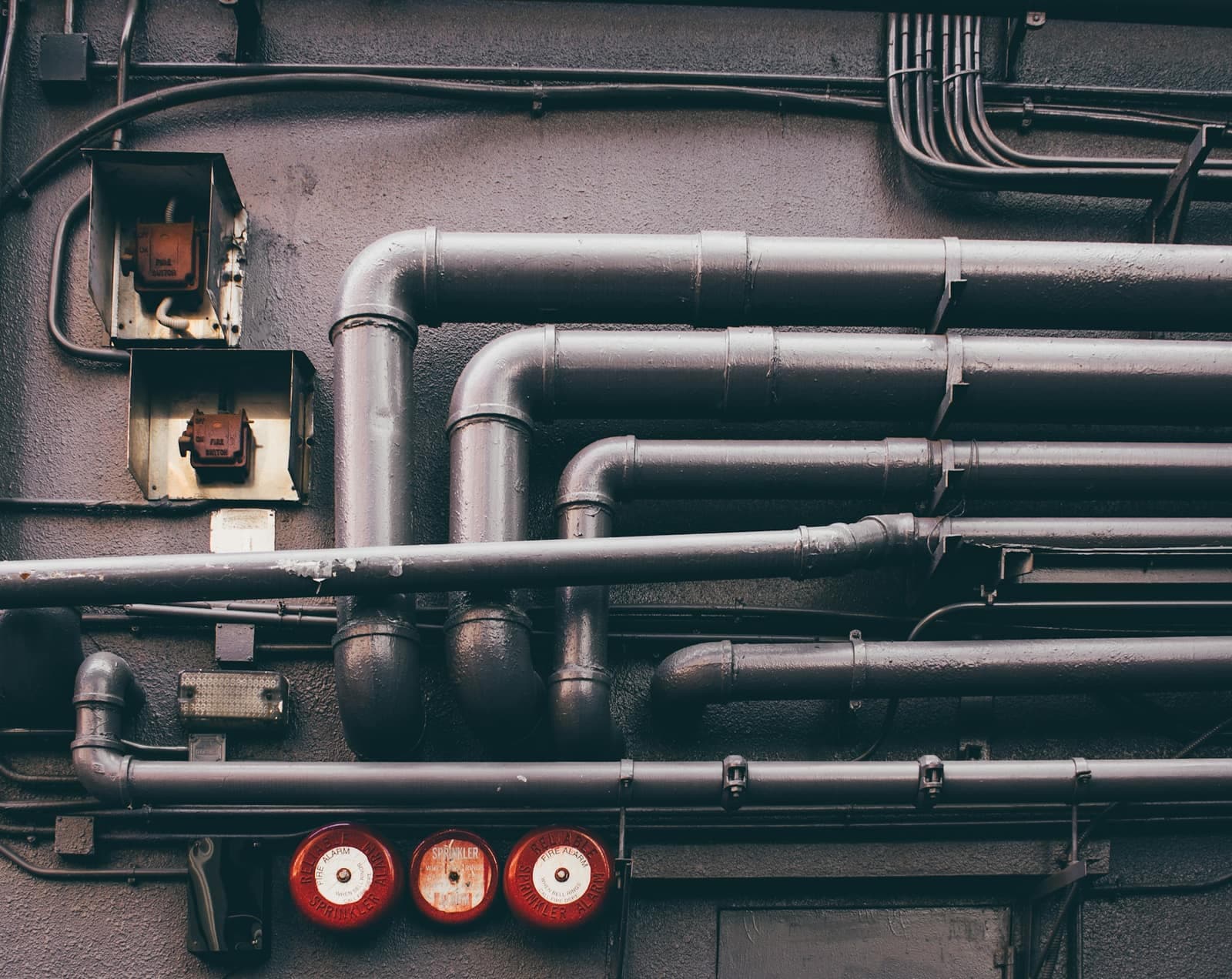
The DFW fleet map changed a long time ago: Kubota and Takeuchi compacts, Komatsu and Hitachi excavators, European concrete pumps and forestry gear, Chinese-built attachments. Every one of them arrives plumbed in threads the average American parts counter doesn't stock — and the result is a machine down for a week over a fitting that costs less than lunch. This guide is the survival kit.
Know the four families you'll actually meet
DIN metric 24° cone (the European standard). Metric threads, a 24° cone, and two parallel series — light (L) and heavy (S) — that pair thread size with tube OD. Hose ends are the DKOL/DKOS pattern with an O-ring on the cone nose. The trap: thread sizes overlap between series (M16×1.5 is a 10L and an 8S), so the union you're mating to decides.
BSP (the British system, everywhere the empire shipped). BSPP (G) is parallel and seals on a 60° cone, bonded washer, or O-ring. BSPT (R) is tapered and seals on the threads. The killer detail: 55° Whitworth flanks vs NPT's 60°, and 19 TPI vs 18 at the 3/8" size. NPT and BSP parts will start into each other and will never seal — the full comparison shows every overlapping size.
JIS 30° cone (the Japanese standard). BSP threads carrying a 30° cone seat — plus the Komatsu-pattern variant that swaps in metric threads. A Japanese line that "should be BSP but won't seal" is usually the cone angle or the metric variant talking.
Metric ports (ISO 6149 / DIN 3852). Straight metric threads sealing with an O-ring or washer at the port shoulder — the metric sibling of SAE ORB, and just as ruined by anyone who forces a taper thread into it.
The identification discipline
Everything from the master thread-ID method applies, with two import-specific upgrades:
- Measure pitch in millimeters first. If the gauge reads a clean 1.0 / 1.5 / 2.0 mm, you're metric; move to the DIN/JIS charts. If it reads clean TPI, test 55° vs 60° flanks before calling it NPT.
- Believe the machine's passport. A Japanese excavator's hose ends are JIS/metric until proven otherwise; a German pump's ports are metric or BSPP. Country of origin is evidence.
The adapter strategy (this is the part that saves you)
You cannot re-plumb every imported machine to JIC — and shouldn't try. The professional pattern is a translation layer: keep the machine's native connections at the components, adapt once, and run your standard hose from there.
- Metric-to-JIC adapters for DIN cone unions
- BSP-to-NPT and BSP-to-JIC adapters for British ports
- Native DKOL/DKOS hose ends when the honest answer is to crimp the metric end straight on the hose
Fleets that stock a small translation kit per machine family — a dozen adapters in a coffee can — cut their import-fitting downtime to nearly nothing. We'll happily spec that can's contents from your machine list.
What not to do (the greatest hits)
- Teflon-tape a BSPP joint and call it sealed. Parallel threads don't seal on threads. It needs its cone, washer, or O-ring.
- Run an NPT male into a G port "snug." It cracks castings and still leaks. The port is aluminum-expensive; the adapter is pocket-change cheap.
- File a 30° cone to "help" a 37° flare fit. Yes, we've seen it. No.
- Assume the whole machine is one system. Real machines mix: metric engine plumbing, BSP hydraulic ports, JIC on the dealer-added attachment. Identify every joint.
Why this is an A1 specialty
Stocking import threads deep is a deliberate choice we made as DFW's fleet went global — it's much of why our fittings wall looks the way it does, and why shops across the metroplex send us their "mystery thread" jobs. Bring the fitting, the failed hose, or just clear photos; identification takes a minute, and the part is usually on the wall. If the machine can't come to us, mobile service brings the translation layer to the machine.
Put it to work.
Reading about it is half the job. For the other half, the counter is at 2201 Handley Ederville Road, Fort Worth — or start online.
 Lou Einstein